Estonia has introduced clearer requirements for organising sheltering in emergencies. Since 1 July 2026, new regulations have been in effect covering the construction of new shelters, the adaptation of existing buildings, the assessment of sheltering options and the preparation of sheltering plans.
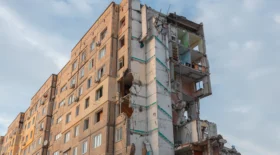
The changes aim to improve people’s protection during emergencies and other dangerous situations. This means that businesses, property owners, employers and apartment associations must now pay closer attention to how well their buildings are prepared.
According to Ahti Kuusk, Head of Safety Services at Forus, one of the most significant changes is the need for building owners to systematically assess the sheltering options available in their properties. “For decades, sheltering has received relatively little attention in Estonian buildings. Now we need to assess what options are available and how they can be used to protect people as effectively as possible,” says Kuusk.
You can read more about the changes in an article published by Maaleht.
Forus takes a comprehensive approach to building safety
Preparing a building for sheltering involves several aspects of safety and building management. In addition to identifying a suitable space, it is important to consider:
- how people move through the building;
- fire safety;
- technical systems;
- access routes;
- emergency procedures.
According to Kuusk, Forus helps building owners bring these elements together into a practical, comprehensive solution by assessing the current situation, identifying necessary improvements and establishing clear procedures.
Forus has already prepared its first sheltering plans, and practical experience shows that building owners have questions ranging from how to identify a suitable space to how responsibilities should be organised during an emergency. “The first step is to assess the specific building and its existing capabilities. From there, we can identify what needs to be adapted, which procedures should be included in the plan and how to ensure that everyone understands their role in an emergency,” Kuusk explains.
Don’t leave preparations until the last minute
Kuusk encourages building owners to start preparing for sheltering requirements well in advance rather than waiting until the last moment. “Now is the time to carefully assess the building’s capabilities, seek expert advice if needed and incorporate any necessary improvements into planned works. During an actual emergency, there may no longer be an opportunity to do so,” says Kuusk.
If your building’s sheltering arrangements or emergency preparedness need reviewing, Forus safety specialists can assess the available options, identify necessary improvements and help develop an effective sheltering plan.