

After a long winter, summer homes may have hidden issues that are not immediately visible but can quickly lead to a fire once the season begins. The biggest risks are often related to heating systems, ageing electrical wiring and the careless use of appliances that have stood unused for months.
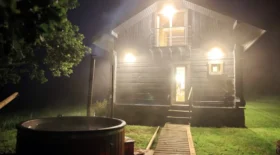
The following advice is based on guidance from Ahti Kuusk, Head of Safety Services at Forus. According to him, it is worth carrying out a thorough check before the first overnight stay or sauna evening at a summer home — and not dismissing even small warning signs.
Winter-related problems often appear in spring
Fires in summer homes often occur at the beginning of the season, when heating systems, household appliances and electrical devices are brought back into use after a long break. During the winter, buildings are affected by moisture, temperature fluctuations and lack of use, which means everything may not be in the same condition in spring as it was when the property was closed up in autumn.
Particular attention should be paid to appliances that have been standing unused and to ageing electrical systems. Old refrigerators, kettles and other household appliances may no longer function properly after winter. Problems often only become apparent once the devices are connected to power again.
At the start of the season, appliances should be switched on carefully and monitored to make sure they are working as expected. They should not immediately be left running for long periods or overnight without supervision.
When checking the electrical system, pay particular attention to the following warning signs:
- a socket or switch makes a crackling or buzzing sound;
- a socket, switch or cable becomes warm during use;
- the electrical system has been partly updated over the years, but some old wiring remains;
- an appliance behaves differently after a long period of non-use;
- a device is left running unattended for a long time immediately after being switched on for the first time.
In summer homes, it is not unusual to find situations where a newer electrical system has been connected to an older installation. For example, copper and aluminium wires should not be connected together. Such a solution may seem simple, but an incorrect connection can heat up over time and increase the risk of fire.
A crackling socket or switch is also a sign that the electrical connection is not in proper condition. If the connection overheats or there is a risk of sparking, what may seem like a minor fault can eventually lead to a fire.
Sometimes the cause may simply be a loose connection, but if there is any doubt, the electrical system should be checked by a qualified specialist.
Chimneys must be cleaned regularly
Chimney cleaning is not merely a recommendation; it is a legal obligation. Heating systems must be maintained regularly even if a summer home is used only seasonally.
By law, chimneys must be cleaned once a year. In the case of a single private summer home, the owner may clean the chimney themselves, but at least once every five years the system must be inspected by a certified chimney sweep.
It is advisable to clean the heating system at the end of the season and inspect it again before using it in spring. Moisture, condensation and soot can build up in systems that have stood unused for a long time, increasing the risk of fire over time.
There are also clear signs that may indicate a problem. Flames visible through cracks or bricks falling from the chimney are signs that the system is no longer safe. If a black, tar-like substance starts running down the chimney base, it indicates that creosote has built up inside the chimney and may ignite at some point.
One of the most common and dangerous mistakes is using stoves and ovens to burn waste. A stove or oven is not a waste disposal unit, and plastics or other materials not intended for burning should never be placed inside. Doing so increases the build-up of soot and creosote in the chimney and may eventually cause a chimney fire.
Lack of knowledge when replacing heating appliances can also be dangerous. A common mistake is replacing an old sauna stove with a new one without checking whether the existing chimney is suitable for it. Chimneys have temperature classes, and installing the wrong heating appliance may inadvertently create a fire hazard.
Incorrectly installed heat protection can also be dangerous. For example, during sauna renovation, a poorly installed heat shield may create a false sense of safety. If the solution is not installed correctly, the wooden panelling behind the shield may heat up even faster and cause a fire.
Smoke alarms need regular maintenance
Many mistakes are also made with smoke alarms. People often assume that having a battery is enough, but the alarm itself also needs regular maintenance.
A smoke alarm should be cleaned at least twice a year using a vacuum cleaner or compressed air. Dust and dirt build up inside the device over time and may cause false alarms. People often respond by removing the battery, which ultimately leaves the home completely unprotected.
Attention should also be paid to carbon monoxide alarms, which should be installed in every room with a heating appliance. The alarm should be placed at breathing height so that it can detect danger as quickly as possible. Carbon monoxide is particularly dangerous because it cannot be seen or smelled.
Grills and bonfires also require caution
The same mistakes are made every year when grilling or making bonfires. People often underestimate the danger of open fire or assume that a small grill or bonfire does not pose a serious risk. In reality, fire, heat and sparks can spread very quickly in dry weather.
When using a grill, always start by following the manufacturer’s instructions and make sure the grill is placed at a safe distance from buildings. If safety cannot be proven in any other way, the grill should be approximately eight metres away from exterior walls.
People also often forget that heat can damage nearby surfaces even when there is no visible flame. Particular attention should be paid to wooden terraces, walls and other combustible materials.
Basic extinguishing equipment should always be available when grilling or making a bonfire, and fire should never be left unattended. A foam extinguisher is suitable for grilling areas, for example. If something tips over or fat catches fire, a class F fire extinguisher is well suited for extinguishing it.
Even a fire that appears to be out can be dangerous. For example, hot ash that is disposed of too early can ignite a rubbish bin or combustible material left near a building several hours later.
Major accidents can often be prevented with a simple and conscious check before the season begins, especially if the summer home has been unused for several months. Need help assessing fire safety risks? Learn more about Forus’ fire safety consultation service and contact our specialists.