During the last heating season, 78 fires involving solid-fuel heating systems and 119 chimney soot fires occurred in Estonian homes. Many of these incidents could have been prevented. Ahti Kuusk, Head of Safety Services at Forus, explains what homeowners should pay attention to during the heating season and which everyday mistakes can have serious consequences.
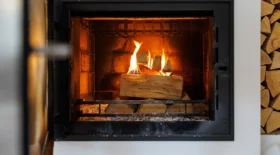
As temperatures fall, wood-burning stoves, fireplaces and cooking stoves are once again being used in many homes. However, the fact that a heating system has worked without problems for years does not automatically mean it is safe to use this season.
According to the Estonian Rescue Board, problems involving solid-fuel heating systems caused dozens of fires during the previous heating season. Poorly maintained heating systems are a major risk factor, but accidents can also result from unsafe heating habits.
Kuusk advises homeowners to check both the technical condition of their heating equipment and their everyday habits. Particular attention should be paid to clean chimneys and flues, possible damage to heating appliances, and the condition of smoke and carbon monoxide alarms.

When was your chimney last swept?
One of the most important things to consider at the beginning of the heating season is heating system maintenance. Over time, soot and other combustion residues accumulate inside chimneys and flues. These deposits can ignite and cause a fire.
In single-family homes, owners may clean their own heating systems if they have the necessary knowledge and equipment. However, the system must be cleaned by a certified chimney sweep at least once every five years. Solid-fuel heating systems in apartment buildings, terraced houses and semi-detached houses must be cleaned by a professional chimney sweep at least once a year.
Importantly, the five-year requirement does not mean that a chimney in a detached house can be left uncleaned for five years. Heating systems must be cleaned as needed, but at least once a year. More frequent maintenance may be necessary if the system is used intensively.
Heating systems must be cleaned as needed, but at least once a year.
According to Kuusk, postponing maintenance can have serious consequences.
“Soot and other combustion residues that accumulate in chimneys and flues can catch fire. The extremely high temperatures generated during a soot fire can damage the chimney or cause cracks to form. In the worst case, the fire can spread to the building’s structure,” he explains.
What are the warning signs of an unsafe heating appliance?
In addition to chimney cleaning, homeowners should regularly inspect the overall condition of their stove, fireplace or wood-burning cooking stove. Check whether cracks have appeared on the exterior, whether doors close properly and whether any unusual smoke or smells occur during heating.
Kuusk points out that not all problems are immediately visible, but there are several warning signs that should never be ignored.
“Poor draught, soot or soot particles falling from the flue, unusual smells and smoke entering the room can all indicate danger. A particularly serious warning sign is when the chimney or connecting flue becomes unusually hot or starts to glow,” Kuusk explains.
If a heating appliance is not operating normally or smoke enters the room, stop using it and have the problem checked by a specialist.
If a carbon monoxide alarm sounds, immediately move outside into fresh air and call the emergency number 112. Emergency services should also be called if the chimney begins to glow or a soot fire is suspected.
“If you have any doubts about the condition of your heating system, contact a certified chimney sweep who can assess its condition and safety,” Kuusk recommends.
Incorrect heating practices can make even a well-maintained stove dangerous
Even a properly maintained heating system can become dangerous if used incorrectly. One common mistake is overheating, particularly when people try to warm up a cold house as quickly as possible after temperatures drop.
According to Kuusk, several common heating mistakes can have consequences that are not immediately apparent.
“One problem is burning rubbish and plastic in stoves and wood-burning cooking stoves. The residues produced by burning these materials accumulate on the walls of the flues and increase the risk of fire. Another mistake is using firewood that is too damp, which can cause soot and tar to build up in the flues and potentially ignite,” he explains.
Another common mistake is loading too much firewood into the stove at once. Overheating can cause the appliance to become excessively hot and sustain damage. It is therefore important to follow the manufacturer’s operating instructions and recommended fuel quantities.
It is also essential to remember the chimney damper. People sometimes close it too early.
“It is also essential to remember the chimney damper. People sometimes close it too early, which can allow life-threatening carbon monoxide to enter the room,” Kuusk warns.
The area around the heating appliance also requires attention. Flammable objects should not be stored near stoves or fireplaces, and a burning fire must never be left unattended. Hot ashes should be collected in a fire-resistant container and allowed to cool completely in a safe location.
Smoke and carbon monoxide alarms only help if they work
Smoke and carbon monoxide alarms deserve particular attention during the heating season. A smoke alarm warns of a fire, while a carbon monoxide alarm detects a dangerous gas that people cannot see or smell.
Carbon monoxide can form, for example, when there is insufficient air for combustion, the heating system is not operating properly or the chimney damper is closed too early.
Carbon monoxide alarms are mandatory in Estonian homes that use solid-fuel stoves, wood-burning cooking stoves, fireplaces or boilers, as well as in residential premises with certain gas appliances. Alarms must be installed according to the manufacturer’s instructions and checked regularly.
According to Kuusk, one common problem is that people do not read the instructions before installing an alarm.
“An alarm is only useful if it is correctly installed and functioning properly. People often pay too little attention to where the alarm should be installed or fail to carry out regular maintenance,” he notes.
Both smoke and carbon monoxide alarms should be tested at least once a month using their designated test buttons. Homeowners should also check the devices’ service life and replace them when necessary.
Safe heating starts with everyday habits
During the heating season, having a clean chimney and a properly functioning heating appliance is not enough. How the stove or fireplace is used every day is equally important.
Before lighting a fire, make sure the area around the appliance is safe and that sufficient air is available for combustion. Only use fuel suitable for the appliance and follow the manufacturer’s recommended quantities. The chimney damper must remain open during heating and should only be closed once combustion has completely finished.
“My main recommendation is to check the heating system and follow the manufacturer’s instructions. Use only the specified fuel and quantities. If you have any doubts about the condition of the system, always seek advice from a qualified specialist,” Kuusk emphasises.
Timely inspections, regular maintenance and safe heating habits help prevent situations where keeping a home warm could result in a fire or carbon monoxide poisoning.